
3 hr
Private Cairo Shopping Experience: Khan el-Khalili & Historic Markets
Explore Cairo's ancient bazaars and traditional souks with a private guide on this immersive shopping adventure
Reserve
Hand-picked by our editors — only the best 5 experiences from 18 reviewed.
Verified partners for every tour, free cancellation where available, and instant confirmation on every booking.
3 hr
Explore Cairo's ancient bazaars and traditional souks with a private guide on this immersive shopping adventure
Reserve
6 hr
Explore Cairo's Islamic fortress, ancient Christian quarter, and bustling medieval bazaar with an expert guide
Reserve
8 hr
Journey through ancient Egypt's treasures with an expert female Egyptologist guiding your adventure
ReservePrices from verified partners. Availability updates in real time at checkout. Free cancellation policies apply where shown.
The landmarks, rooms, and views travelers on this tour remember — all visible on a single visit.
A historic district where artisans have worked with precious metals for centuries.
A legendary coffeehouse founded in 1773 famous for its mirrored walls.
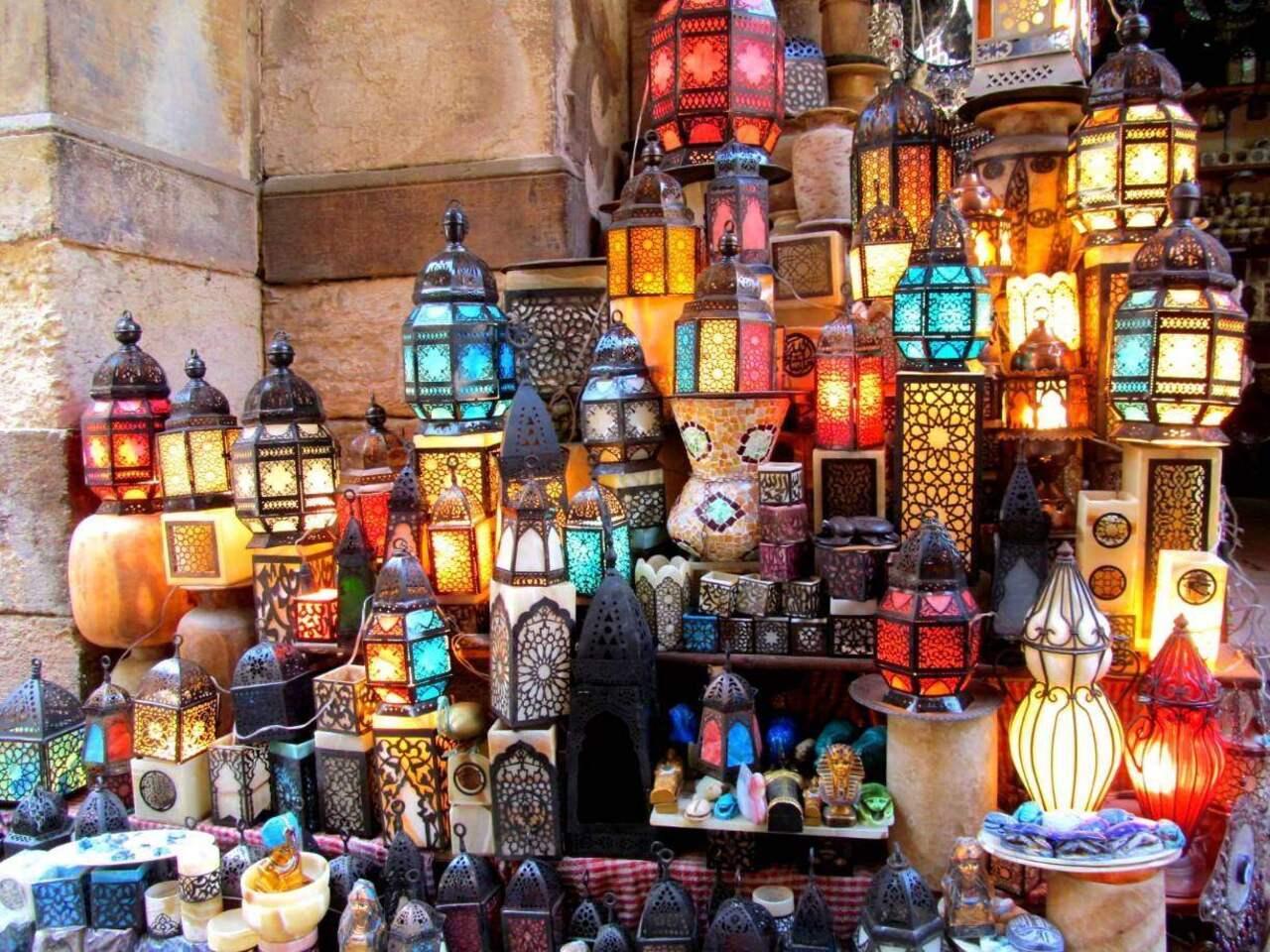
A 15th-century gateway known for its collection of ornate, traditional lanterns.
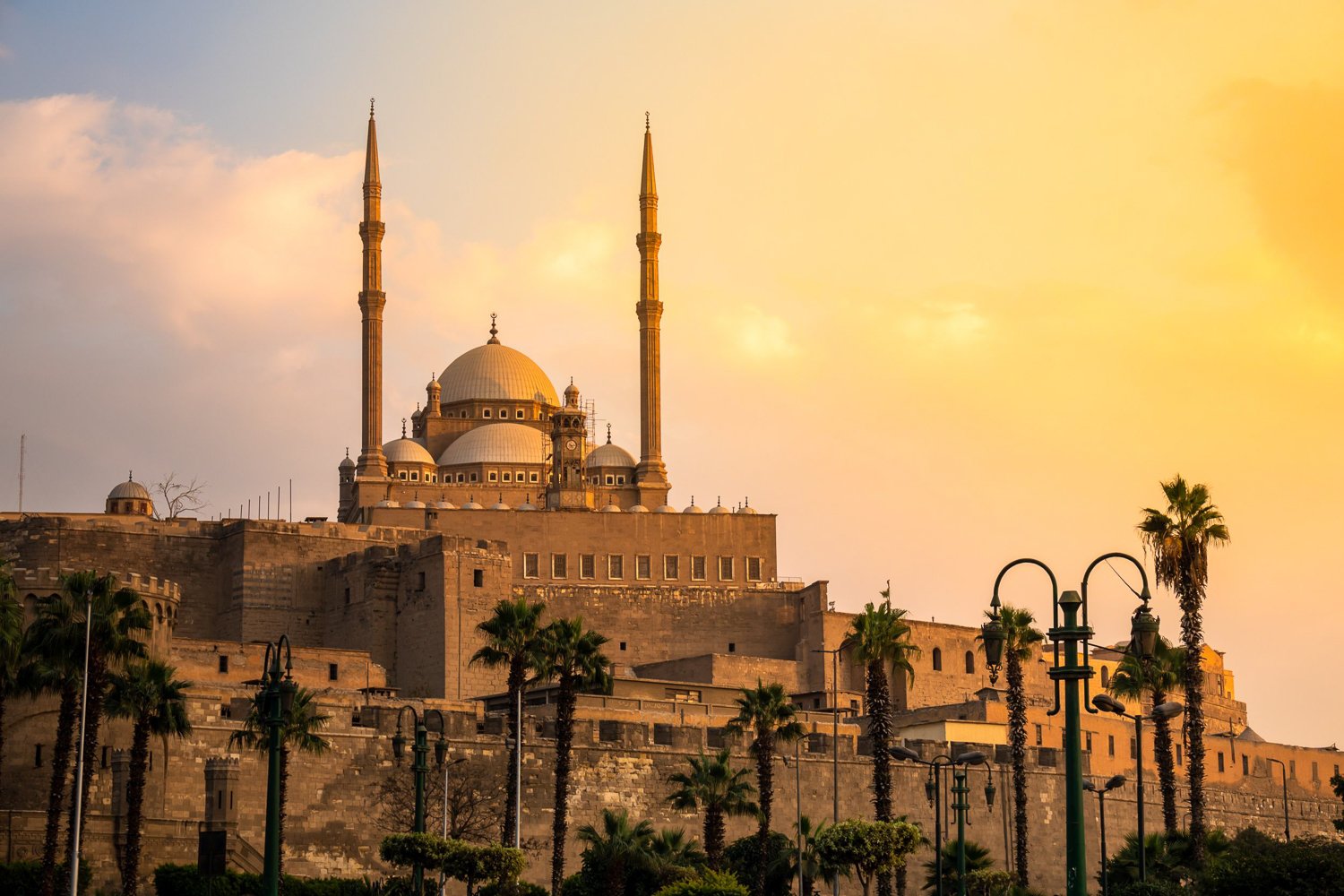
A prominent architectural landmark located adjacent to the bustling market area.
A fragrant section of the bazaar offering authentic herbs and traditional incense.
They complement each other, though most visitors who do both call the historic market the more evocative experience. Booking a guided khan el khalili bazaar tour ensures you navigate the complex alleyways of this Islamic Cairo landmark with ease.
| Feature | Top pick Khan el-Khalili | Citystars Mall |
|---|---|---|
Shopping environment |
Open-air historic alleys | Climate-controlled modern complex |
Cultural depth |
High, medieval architecture | Low, contemporary retail focus |
Product variety |
Handicrafts, antiques, spices | Global brands, electronics, fashion |
Ease of navigation |
Complex, winding passages | Logical, structured floor plan |
Noise level |
High, energetic street sounds | Moderate, ambient music and bustle |
Authenticity |
High, traditional marketplace | High, standard commercial mall |
| See tickets → |
Verdict: Choose the khan el khalili bazaar tour tours for heritage and artisanal goods, or head to Citystars for a familiar, air-conditioned retail environment that offers convenient khan el khalili bazaar tour tickets to local attractions.
Choose your ticket, select your date, and reserve in under two minutes. Secure checkout handled by our verified partner.
Instant confirmation by email, with a mobile voucher you can save offline. No printing, no queuing at a collection desk.
Arrive at the entrance, show your voucher on your phone, and walk in. Most tickets include priority or skip-the-line access.
Practical details for your visit straight from our verified partners — hours, access, rules, and how to get there.
Modest dress is recommended out of respect for the surrounding historic religious sites in Islamic Cairo. Wear comfortable walking shoes to navigate the uneven cobblestone alleys of the bazaar.
Keep valuables secure and close to your body in a front-facing bag. Market areas can be busy, so maintain awareness of your surroundings at all times.
Photography is generally permitted in the public alleys of the bazaar. Always ask for permission before taking close-up portraits of vendors or their private workshop interiors.
Navigating the bazaar can be challenging for those with limited mobility due to narrow, crowded, and uneven terrain. Most historic buildings do not feature modern wheelchair ramps.
The area is family-friendly but can be overwhelming for young children due to the high density of people and noise. Keep children close when navigating the busy main corridors.
Numerous traditional cafes and restaurants are available within the district to enjoy local refreshments. Always carry bottled water to stay hydrated during your walk.
Best time to go, insider tips, nearby landmarks, and the cancellation fine print — flip through to skim what matters to you.
Flexible, no hidden fees.
Cancellation policies depend on the specific tour operator. Please check your individual booking confirmation for details regarding refunds.
Copper trays stacked three metres high rest against walls that predate the Ottoman conquest. Khan El Khalili occupies the site of the Fatimid-era royal mausoleums, demolished in 1382 by Emir Djaharks el-Khalili to construct a caravanserai for visiting merchants. That original khan survives in fragmentary archways along Sikket Khan el-Khalili Street, where Mamluk stonework frames modern jewellery workshops. The bazaar's current labyrinth spans fourteen hectares between Al-Muizz Street and Al-Azhar Street, forming Cairo's densest concentration of Islamic-era commercial architecture. The district's economic logic remains unchanged since the fourteenth century. Gold merchants cluster along Al-Muski Street, where shop windows display twenty-one-carat Egyptian hallmarks under fluorescent light. Perfume distillers operate from stone alcoves on Shari'a al-Badestan, blending lotus and amber oils in glass flasks cooled by overhead fans. Textile vendors occupy the northern lanes, selling galabeyas and hand-blocked cotton beside workshops where wooden printing blocks hang from iron pegs. The concentration of trades by street follows medieval guild divisions, a spatial organization preserved through Ottoman rule and the British protectorate. A khan el khalili bazaar tour reveals the district's architectural layering. Qasr al-Shuq gate, built in 1010, marks the southern boundary where Fatimid city walls enclosed royal palaces. Mamluk-era sabils—public fountains with Quranic schools on upper floors—punctuate the major intersections, their striped ablaq masonry contrasting with plain Fatimid limestone. Ottoman-period wikalahs, multi-story merchant hotels with central courtyards, line Sikket el-Badestan, though most ground floors now house cafés serving mint tea in tulip-shaped glasses. Wikala al-Ghuri, completed in 1504, operates as a cultural centre where the upper galleries overlook a stone courtyard once used for camel unloading. The market's modern revival accelerated after 1952, when the new government promoted domestic tourism to historic sites. Daily visitor counts average eight thousand during weekdays, rising to fifteen thousand on Fridays when regional shoppers arrive by metro. Artisan workshops occupy the quieter eastern lanes, where coppersmiths shape water jugs using techniques documented in fifteenth-century Mamluk manuals. The tang of soldering flux mixes with cardamom smoke from street vendors grilling corn beside the Al-Hussein Mosque's western wall, where evening crowds gather as call-to-prayer amplifiers crackle across the stone façades.
"The bazaar's current labyrinth spans fourteen hectares between Al-Muizz Street and Al-Azhar Street, forming Cairo's densest concentration of Islamic-era commercial architecture."
A step-by-step walkthrough of the visit — what you'll see, how long each stage takes, and the details that matter.
You enter through Al-Muski Gate at 10:00, when shop shutters clatter upward and vendors arrange brass coffee sets on folding tables. Your guide leads you south along Al-Muizz Street, pausing where a coppersmith hammers a tray against a leather-covered stump, the rhythm steady as he rotates the disc under his mallet. You turn east into Sikket Khan el-Khalili, where Mamluk archways frame a passage barely two metres wide. Overhead, wooden mashrabiya screens filter morning light into geometric shadows on the cobblestones. At a perfume workshop, you watch the distiller decant jasmine essence from a copper alembic, the floral scent sharp against the lane's cooler air. Your guide explains the Ottoman-era guild system as you pass gold shops, their plate-glass windows reflecting the street's pedestrian flow. You climb stone stairs to Wikala al-Ghuri's upper gallery, where the courtyard view reveals the district's roofline—television antennas rising from sixteenth-century parapets. By noon you reach Fishawi's Café, its mirrored walls reflecting brass lanterns and marble-topped tables occupied since 1773. You order mint tea served in a glass too hot to hold without the paper napkin your waiter folds around it. The café's alley opens onto Al-Hussein Square, where your guide points out the mosque's silver-plated doors before the afternoon crowd thickens. You exit north through the textile lanes, where bolts of indigo cotton lean against doorframes and shopkeepers call prices in Arabic and broken English, the market's commercial pulse unbroken since Djaharks el-Khalili commissioned the first khan six centuries ago.
No, entry to the bazaar is 0 EGP; it is free to walk through the market area.
The best arrival window is 10:00–22:00, with mornings offering fewer crowds and evenings providing an atmospheric experience.
No, you do not need tickets to enter the market itself, though professional tours may have their own booking requirements.
The narrow, crowded alleys make strollers difficult to manage; a carrier is recommended for your khan el khalili bazaar tour.
Yes, you can book professional guided experiences to navigate the historic district and learn about its 14th-century origins.
Bring comfortable walking shoes, cash in Egyptian Pounds (EGP), and bottled water for your walk.
Yes, you can easily combine your visit with the nearby Al-Hussein Mosque or the historic Al-Muizz Street.
You can reach the bazaar by taxi or ride-sharing apps, heading to the Al-Hussein Square area.
Yes, the market is open from 10:00–23:00 on both Saturdays and Sundays.
Yes, there are many traditional cafes, such as the famous El-Fishawy Café, located throughout the bazaar area.