
English| EUR
Suggested for you
More currencies
Choose a language
Khan El Khalili operates as a public market, not a ticketed monument. The question of entry fees surprises first-time visitors who assume Cairo's most famous bazaar requires admission. Understanding what access costs—and what it doesn't—shapes how you budget and plan your time in the labyrinth.
Quick answer
Khan El Khalili ticket price is 0 EGP. The bazaar is a public market space with no entrance gate or admission charge. You walk in freely from surrounding streets in the El-Gamaleya district. The site opens daily from 09:30 to 23:00, and while entry is free, expect to spend on goods, refreshments, and optional guided experiences that decode the maze of alleyways and centuries-old trades.
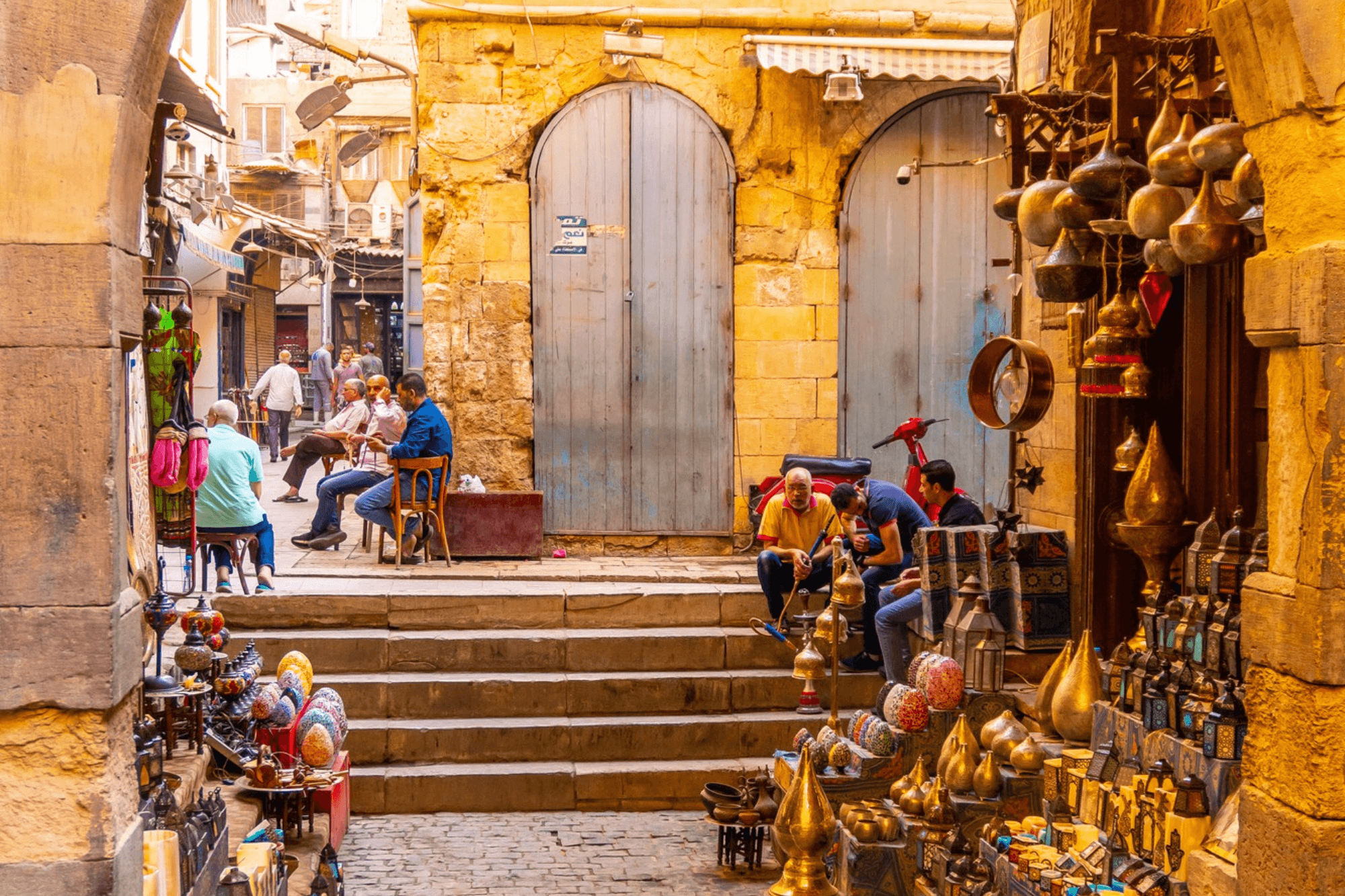
The Khan El Khalili bazaar sprawls across centuries-old alleyways in Islamic Cairo without a single turnstile. Unlike the pyramids or the Egyptian Museum, this commercial quarter never instituted an entry fee because it remains a working marketplace where Cairenes shop alongside tourists. The Khan El Khalili entrance fee question stems from confusion with nearby paid monuments—the Sultan al-Ghuri complex and the Al-Azhar Mosque lie minutes away and do charge admission. The district opens at 09:30 and closes at 23:00 every day of the week, though individual shopkeepers set their own schedules. Friday mornings see reduced activity due to mosque prayers, and the heat of midday July sends vendors into long breaks. The souks operate as a network of guilds—metalworkers cluster in one alley, spice merchants in another, perfume distillers near the Fishawi Café—and this specialization dates to Mamluk-era regulations that assigned trades to specific streets. The original caravanserai that gave the bazaar its name opened in 1382 under Sultan Barquq, though earthquakes and fires have rewritten the architecture many times since. Navigating the Khan without guidance means missing the workshops hidden behind storefronts and the stories encoded in architectural details. A guide translates the dance of haggling, identifies which stalls sell tourist replicas versus artisan work, and knows which goldsmiths still hand-engrave cartouches in the traditional style. The Cairo entry pass bundles sold online often exclude the Khan precisely because it charges nothing, but many multi-site tours include a bazaar walk to contextualize Islamic Cairo's economic history. The maze rewards preparation—arrive during the morning lull between 09:30 and 11:30 when vendors are setting up and the alleyways haven't yet filled with midday crowds. The cost of visiting Khan El Khalili lies not in tickets but in what you purchase and whether you explore alone or with someone who knows where the coppersmiths hide their best inlay work. Budget for tea at Fishawi, small bills for tipping porters, and patience for the ritual of negotiation that turns every transaction into theater.
“The Khan operates as a working marketplace where Cairenes shop alongside tourists, with no turnstile separating commerce from heritage.”
Khan el-Khalili operates on a consistent schedule seven days a week, allowing visitors to plan their trip for any day. The market maintains uniform hours throughout the week.
The best arrival window for Khan el-Khalili is 09:30–11:30. Arriving during this period allows you to explore the market while shops are opening, effectively avoiding peak crowds and the midday heat.
—
Ideal for browsing shops before peak congestion occurs.
Mild temperatures (18°C–25°C)
Cooler weather facilitates walking through narrow alleys.
High temperatures (above 30°C)
Early morning arrival is necessary to mitigate heat exposure.
Verdict: The optimal time to visit is during the shoulder months of October or April, arriving strictly between 09:30 and 11:30.
Navigating Khan el-Khalili effectively requires understanding the layout and cultural nuances of this historic market district.
Vendors often lack change for large bills, so keep small EGP notes for minor purchases and tipping.
Haggling is standard practice here; aim to pay roughly fifty to sixty percent of the initial asking price.
The main thoroughfares are crowded, but the smaller, perpendicular side streets often house specialized artisans and quieter workshops.
When purchasing silver or gold, look for official government stamps that certify the metal purity.
While the market remains open, some shopkeepers may temporarily pause transactions during prayer times; simply wait a few minutes for them to return.
Navigating the labyrinthine alleys is challenging, and a professional guide provides historical context while helping you bypass aggressive touts. Having a local advocate ensures you reach authentic workshops rather than mass-produced souvenir stalls.
Khan el-Khalili is located in the heart of Islamic Cairo at El-Gamaleya, El Gamaliya, Cairo Governorate, Egypt. The area is most easily accessed by taxi or rideshare services, which can drop visitors near the main pedestrian entrances.
Line 2 to Attaba Station, then a short taxi ride
Direct drop-off at Al-Azhar Street or Al-Muizz Street
Parking available near Al-Azhar Mosque
Request to be dropped off at the Al-Azhar Street entrance to walk directly into the main market area. Ensure you confirm the destination address with your driver as El-Gamaleya, Cairo Governorate.
Everything you need to know about khan el khalili ticket price
The entrance fee to this public market is 0 EGP, meaning there is no khan el khalili ticket price to pay. Access to the main streets and traditional walkways remains open to all visitors without any charge.
You do not need to pay an entry fee for the market, though individual shops and cafes set their own prices for merchandise and refreshments. While the market itself is free, some visitors choose a local Cairo market tour to navigate the winding alleys.
As noted, there is no khan el khalili entrance fee as it is a public bazaar area. You are free to walk through the historic district at your leisure during operating hours.
While you do not need to pay a khan el khalili ticket price, a guided tour is recommended to better understand the history of this medieval trading hub. A professional guide helps you engage with local artisans and find high-quality handicrafts away from the tourist traps.
The market is family-friendly and free to enter, though it can become quite crowded during peak hours. Bringing children is safe, but staying together is advised due to the narrow streets and vibrant atmosphere.
To avoid the largest crowds and intense summer heat, arrive between 09:30–11:30 when the shops are just beginning to open. This timing provides a quieter, more comfortable atmosphere for exploring the ancient Mamluk-era architecture and brass lanterns.